
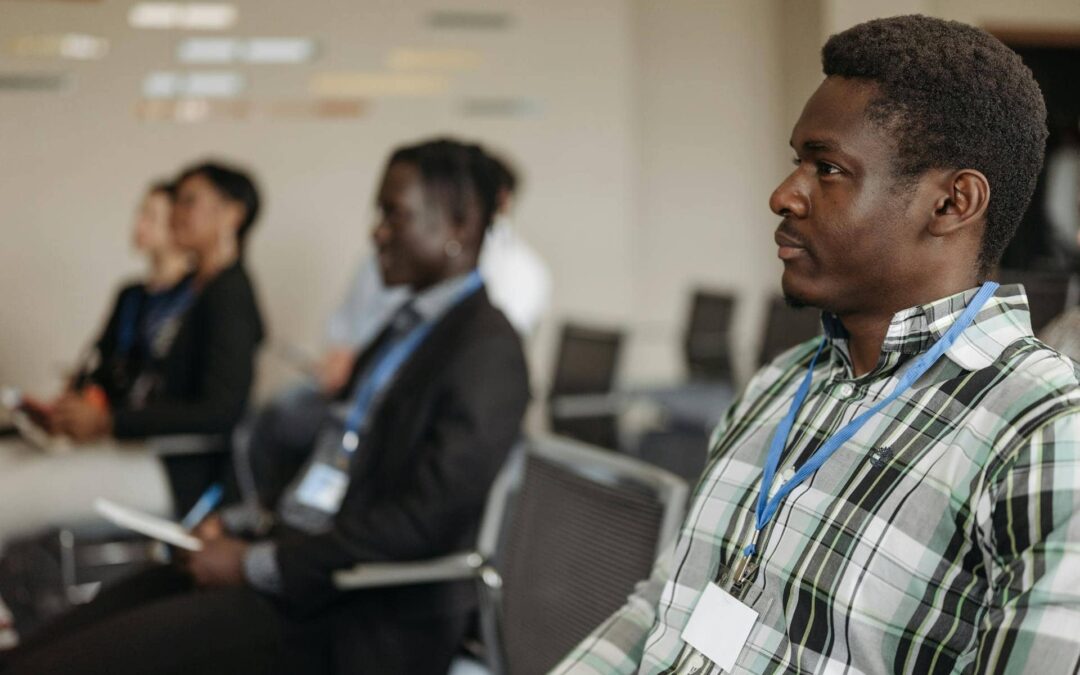
Global forums are built on familiar formats: plenaries, panels, and keynote speeches. These structures have their place, they signal authority, convey expertise, and provide predictable frameworks. Yet anyone who has sat through back-to-back panels knows their limitations. They are often too one-directional, too formal, and too removed from the kinds of interactions that build trust or spark new solutions. If the purpose of convening is to influence policy, then format matters as much as content.
The question is not whether forums should feature creative approaches, but how they can design formats that unlock deeper engagement and move conversations from dialogue to action.
Innovation in Event Design
Creativity in format is not about replacing structure with chaos. It is about expanding the repertoire of engagement methods so participants can move beyond passive listening. Some approaches gaining traction include:
- Policy simulations and scenario planning that let participants stress-test ideas against real-world complexity.
- Storytelling circles where voices outside the usual power structures bring lived experience into policy spaces.
- Solution labs designed to co-create practical, actionable outcomes.
- Cultural exchanges that foster relationships across borders and sectors, often laying the groundwork for long-term collaboration.
These formats encourage not only intellectual exchange but also the emotional and relational engagement required for durable policy shifts.
Creative Format Examples
Abstract concepts become more tangible when embodied in experience. A few notable examples include:
- Policy Kitchen sessions, blending the ritual of cooking together with structured dialogue to humanize and democratize problem-solving.
- Walking meetings that ground climate conversations in the very ecosystems at stake, shifting discussions from abstract targets to lived environments.
- Intergenerational dialogues that bridge traditional and modern knowledge systems, surfacing wisdom often left outside policy rooms.
- Art and narrative installations that transform issues like displacement, biodiversity loss, or inequality into immersive encounters, making policy visceral rather than theoretical.
Audience Engagement Strategies
The format is only half the equation; facilitation determines whether participants lean in or tune out. Forums that succeed in creative engagement often incorporate:
- Multi-sensory experiences to reach different learning styles and deepen memory retention.
- Thoughtful technology integration that supports, rather than overshadows, human interaction.
- Small-group dynamics that distribute voice and ensure participation across hierarchies.
- Documentation methods that capture not just the conclusions, but the energy and momentum of the exchange.
Measuring Creative Success
If success is measured only in attendance numbers or media coverage, creative formats may appear “nice-to-have” rather than essential. But when evaluated differently, their value becomes clear. Metrics might include:
- The quality and diversity of relationships formed across sectors.
- The translation of discussions into actionable policy steps compared with traditional formats.
- Engagement analysis that measures whether participants remain active after the event.
- Long-term influence tracking, such as whether alliances or initiatives seeded in creative sessions endure.
By shifting the lens of evaluation, creativity reveals itself not as a risk but as a driver of policy relevance.
Implementation Guide
Innovative formats do require intentional planning. Organizers can prepare by:
- Allocating budget lines for experiential design, facilitators, and cultural elements.
- Providing staff training so teams feel confident in leading interactive and unpredictable sessions.
- Developing risk management protocols to ensure accessibility, safety, and adaptability in non-traditional formats.
These investments pay dividends when the event generates outcomes traditional formats rarely achieve.
Panels and plenaries will continue to play a role in global forums, but they cannot carry the weight of policy influence alone. Creativity in format is not an embellishment — it is a catalyst. When participants cook, walk, tell stories, or create together, they connect in ways that panels rarely allow. Those connections are the foundation for breakthrough ideas, enduring partnerships, and policy change that lasts.
By moving beyond panels and plenaries, global forums can reimagine themselves as laboratories of influence, places where creativity fuels both connection and change.
Learn more about how Terra40 can support your next global convening at www.terra40.com.